
The Cavendish Building
Client: University of Derby
The brief
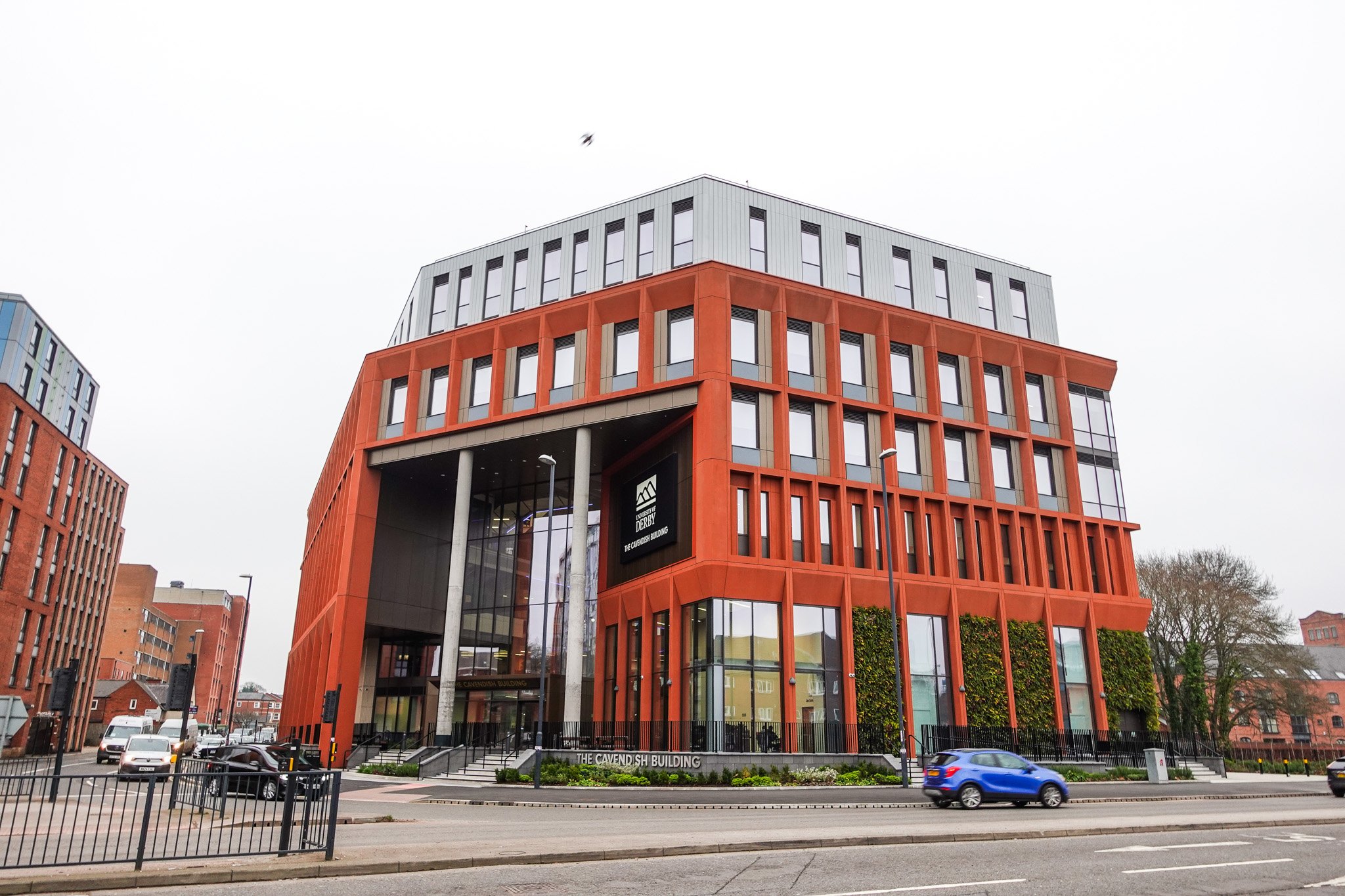
The Cavendish Building forms a central part of the University of Derby’s long-term vision to embed sustainability into the heart of its campus and operations. As part of the University’s broader sustainability ambitions, the institution is taking decisive action to address some of the most challenging sources of emissions, supporting its long-term commitment to environmental protection, pollution prevention, and achieving net zero by 2050.
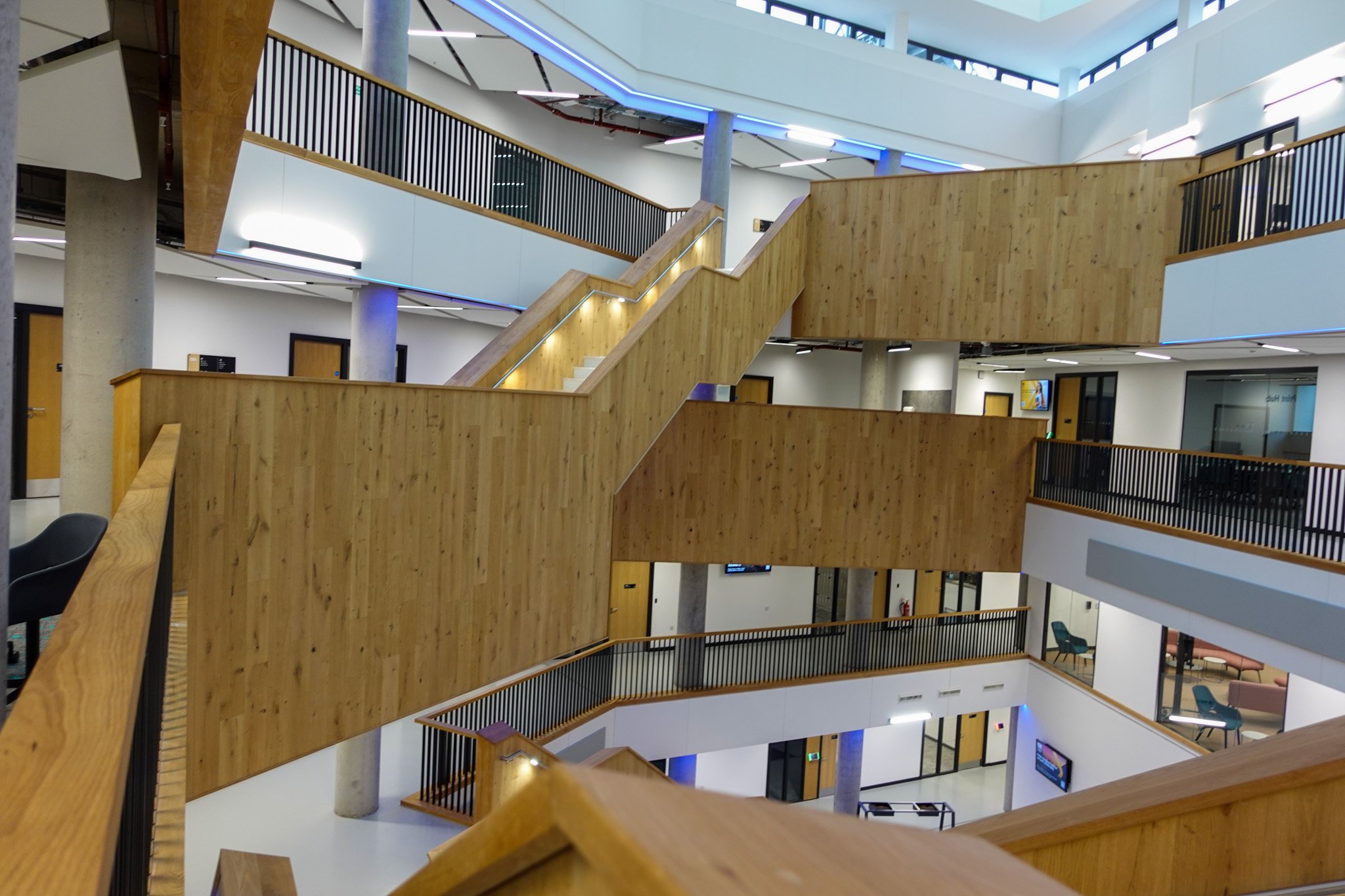
Developed as a £75 million, seven-storey facility for Derby International Business School, the building was designed to bring students, academics and industry professionals together in a highly collaborative environment in Derby city centre.
The University set out to ensure that the project would not only meet functional and architectural aspirations but also demonstrate leadership in addressing one of the most challenging aspects of the built environment: embodied carbon.
CPW was appointed to act as independent carbon advisor, supporting the project team to measure, reduce and responsibly address embodied carbon in line with recognised industry frameworks, and to deliver the University’s net zero ambitions in a credible and transparent way.
A science-led approach to embodied carbon
CPW’s involvement focused exclusively on carbon. Acting as carbon advisor and auditor, our Sustainability Team, worked alongside the University of Derby and project partners to embed a rigorous, evidence-based approach to embodied carbon management throughout both design and construction.
Central to this was alignment with the UK Green Building Council’s (UKGBC’s) framework for Net Zero Carbon – Construction. Using a recognised and widely respected definition provided a clear structure for decision-making, reporting and accountability, ensuring the project’s net zero claims could stand up to scrutiny. Our role was to guide the project team through the complexities of embodied carbon assessment, track performance against benchmarks, and ensure that reductions were prioritised before any consideration of offsetting.
By monitoring carbon performance across each stage of the project, we were able to provide targeted advice on where meaningful reductions could be achieved, from early design decisions through to construction methods and logistics.
Reducing carbon at source
A defining feature of this project was the University’s early commitment to carbon reduction. An internal carbon price of £70 per tonne of CO₂e was applied at the very start of the project, creating a clear incentive to minimise embodied emissions before addressing residual impacts.
This approach encouraged innovation across the design and construction team, particularly in areas known to carry a high embodied carbon burden. Materials and structural solutions were subject to close scrutiny, with a strong focus on reducing carbon intensity, without compromising performance or quality.
CPW supported the team in assessing material options and construction practices, recognising that elements such as the structural frame typically account for a significant proportion of a building’s embodied footprint. By embedding carbon considerations into everyday project decisions, the team was able to drive substantial reductions before offsetting was considered.
Offsetting & Insetting
For both CPW and the University of Derby, credibility and transparency were fundamental. Once all reasonable opportunities to reduce embodied carbon had been exhausted, attention turned to addressing the remaining residual emissions in a way that aligned with best practice.
CPW supported the development of a clear and verifiable offsetting strategy, working closely with Ecologi as the project’s carbon solutions partner. Providers were assessed against criteria including transparency, verification and alignment with recognised principles, ensuring confidence in the integrity of the approach.
The residual embodied carbon was addressed through a combination of high-quality carbon avoidance and removal projects, alongside investment in a transition fund. This enabled the University to support both global climate initiatives and nature-based projects closer to home, including peatland restoration in Derbyshire, delivering environmental benefits at both local and wider scales.
A key part of CPW’s role was facilitating informed discussions around carbon, offsetting and investment, helping all stakeholders understand the implications of decisions and the long-term value of a structured approach. This included coordinating conversations between the University, design team and delivery partners to ensure carbon remained a shared responsibility rather than a standalone exercise.
Using the UKGBC framework provided a common language for these discussions, setting clear expectations around performance, reporting and verification. This helped keep the project honest and accountable, while giving confidence to those involved –and to those looking at the building from the outside – that its carbon strategy was robust and evidence-led.
A benchmark for the sector
The Cavendish Building now stands as a strong example of how science-led carbon management can be embedded into major construction projects from the outset. Rather than relying on offsetting as a first response, the project prioritised reduction, applied a clear framework, and took a transparent approach to residual emissions.
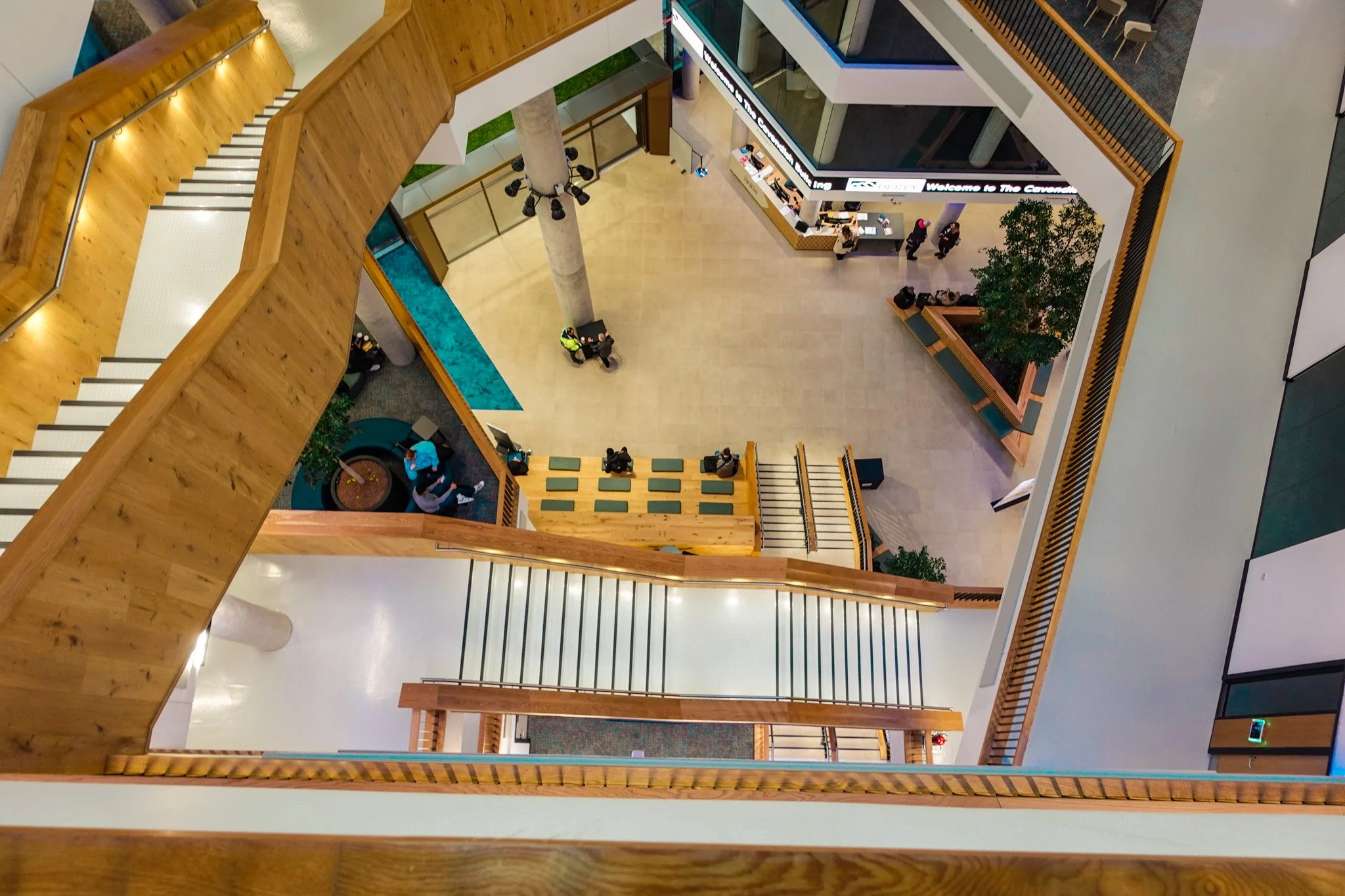
For the University of Derby, the building reflects a wider commitment to environmental responsibility – not just through policy or teaching, but through the physical spaces where students learn, collaborate and innovate. For CPW, it demonstrates the value of independent carbon advisory support in helping clients navigate complex sustainability challenges with confidence and integrity.
We are proud to have supported the University of Derby on this journey, and to have played a role in delivering a project that sets a strong benchmark for embodied carbon management in higher education and beyond.
Key features:
£75m, seven-storey city centre development
UKGBC Net Zero Carbon – Construction aligned
£70/tCO₂e internal carbon price applied
6,652 tCO₂e of residual embodied carbon addressed
55% carbon removals / 45% carbon avoidance
The UK Net Zero Carbon Buildings Standard (UK NZCBS) is the latest industry-wide standard for defining and verifying net zero carbon buildings. The UKGBC's 2019 Framework Definition provided the initial industry consensus, which paved the way for the more robust, science-led UK NZCBS. The UKGBC was a key instigator and contributor to the new standard.
Want to find out how we could support your project? Visit our services page.